Why a Clio?
Purchased:13/10/2009
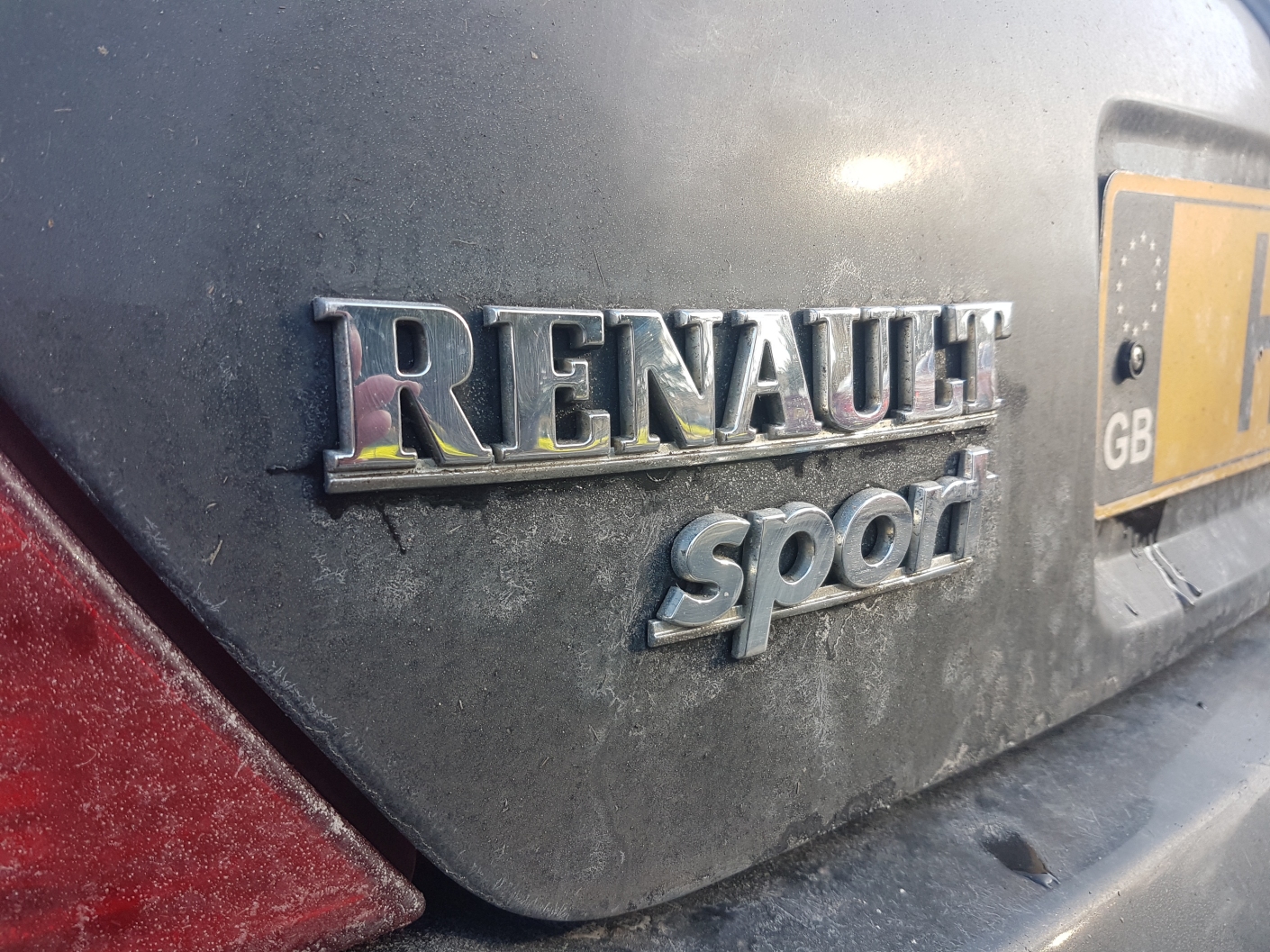
I purchased this Renault Clio 172 Sport back in 2009 off a young lady in Reading, it had about 60k on the clock and had not been looked after at such an early stage in its life. It had not been serviced and was due some of the basics. The morning aftert the purchase I started the car and in essence the cambelt went. Luckily it was on the driveway at home and there was no detination. At the time the nearest Renault Specialist to me was K-Tec, who I arranged to come and collect the car. Once back in there workshop they were amazed to report that the cambelt had come off a pulley that was worn, luckily as the car was just being started, it failed to do any other damage. They fitted a new cambelt and dephaser the the car was returned to me working.
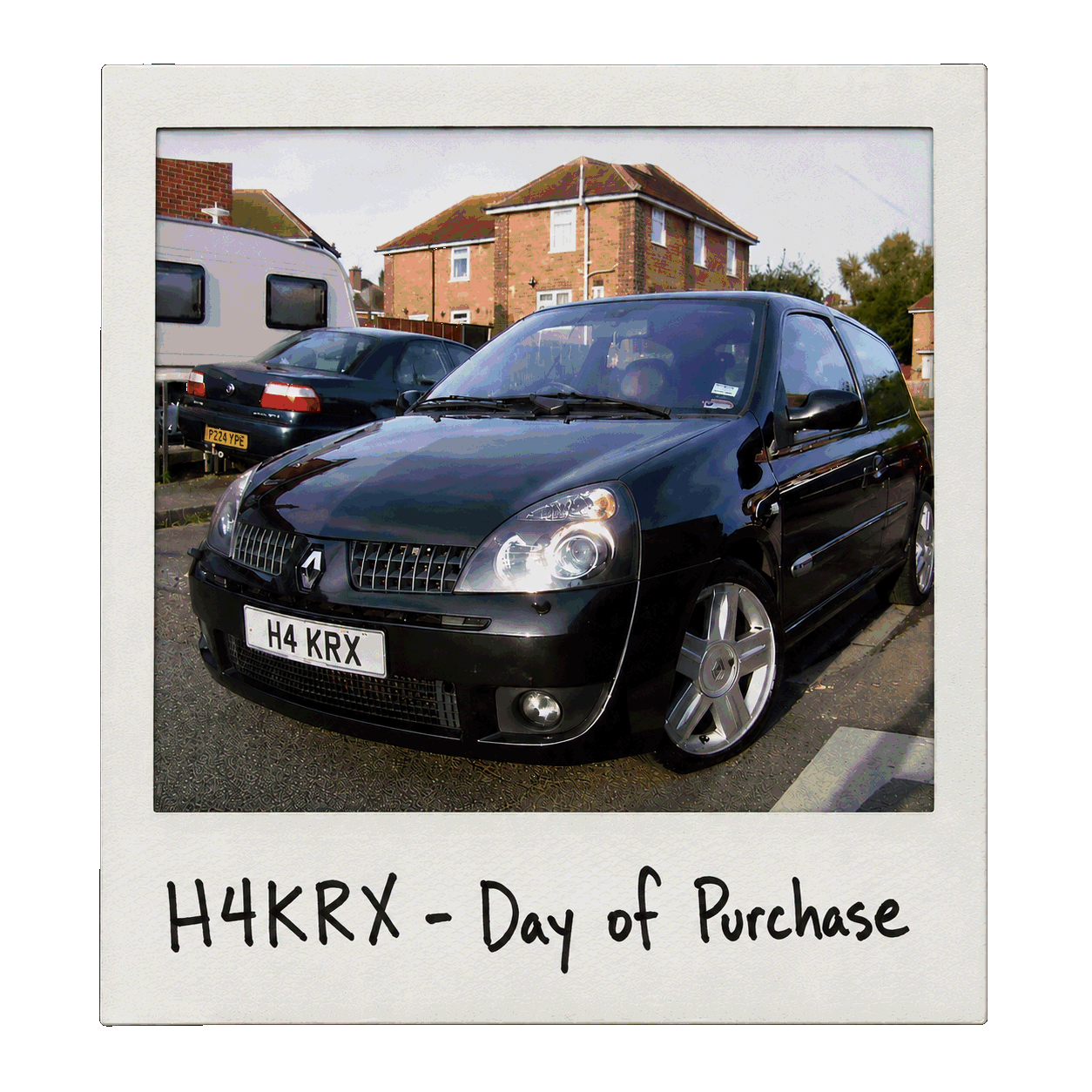
The Renault Clio is considered a quintessential "driver's car" because it offers a highly communicative, analog driving experience that modern performance cars struggle to replicate. Built by the expert engineers at Renault Sport in Dieppe, France, the vehicle prioritises mechanical connection and lightweight agility over pure, straight-line speed. While a driver's car like the Renault Clio Sport is designed for twisty backroads, it can actually make for an incredibly memorable road trip car—provided you appreciate a certain kind of journey. It trades the isolated, soft comfort of a modern cruiser for maximum engagement and surprising practicality.
Here is why it shines on a road trip:
Destined for the Scenic Route
- Turns Transit into Adventure: This car turns the journey itself into the destination. While highways can feel loud or frantic, the moment you detour onto twisty mountain passes or sweeping coastal roads, the car comes alive.
- Effortless Overtaking: The punchy, high-revving 2.0-litre engine and close-ratio gearbox mean you can dispatch slow-moving traffic, campervans, and lorries on tight country roads safely and instantly.
- Fatigue-Reducing Engagement: Because you are so connected to the steering, pedals, and chassis, you stay mentally sharp, focused, and alert for longer stretches on engaging roads compared to driving an insulated, semi-autonomous modern car.
- Deceptive Boot Space: Beneath the performance tuning lies a standard hatchback shape. With the rear seats folded down, it easily swallows weeks' worth of luggage, camping gear, or road trip supplies.
- Compact Footprint: Its small dimensions make it incredibly easy to navigate narrow European village streets, tight single-track roads, or crowded holiday parking lots where larger SUVs struggle.
- Supportive Seating: Models equipped with the optional Recaro bucket seats (common in the 182 Trophy and 200 Cup) offer exceptional lateral and lumbar support, keeping your back comfortable during hours of hard driving.
- High Cruising Revs: Due to short gearing designed for acceleration, the engine will spin at relatively high RPMs (often around 3,500–4,000 RPM) at motorway speeds, resulting in noticeable cabin boom and road noise.
- Firm Ride: The stiff, sport-tuned suspension transmits bumps and road imperfections directly into the cabin, which can feel tiring after several hours on poorly maintained highways.
- Fuel Range: While relatively efficient when cruising gently, the small fuel tank means you will be stopping to fill up more frequently than you would in a diesel tourer.
Surprising Hot-Hatch Practicality
The Realistic Compromises to Keep in Mind
To enjoy a Clio Sport on a long trip, you have to embrace its old-school character:In reality if you can ignore all the things below that mine and other Clios often have issue with...
My Top 5 Annoynances
| Fault | Description | Annoyance |
|---|---|---|
| Exhaust Mounts | The rear and center mounts suck, changing the rear mount to a Red PowerFlex was a god send!. | ***** |
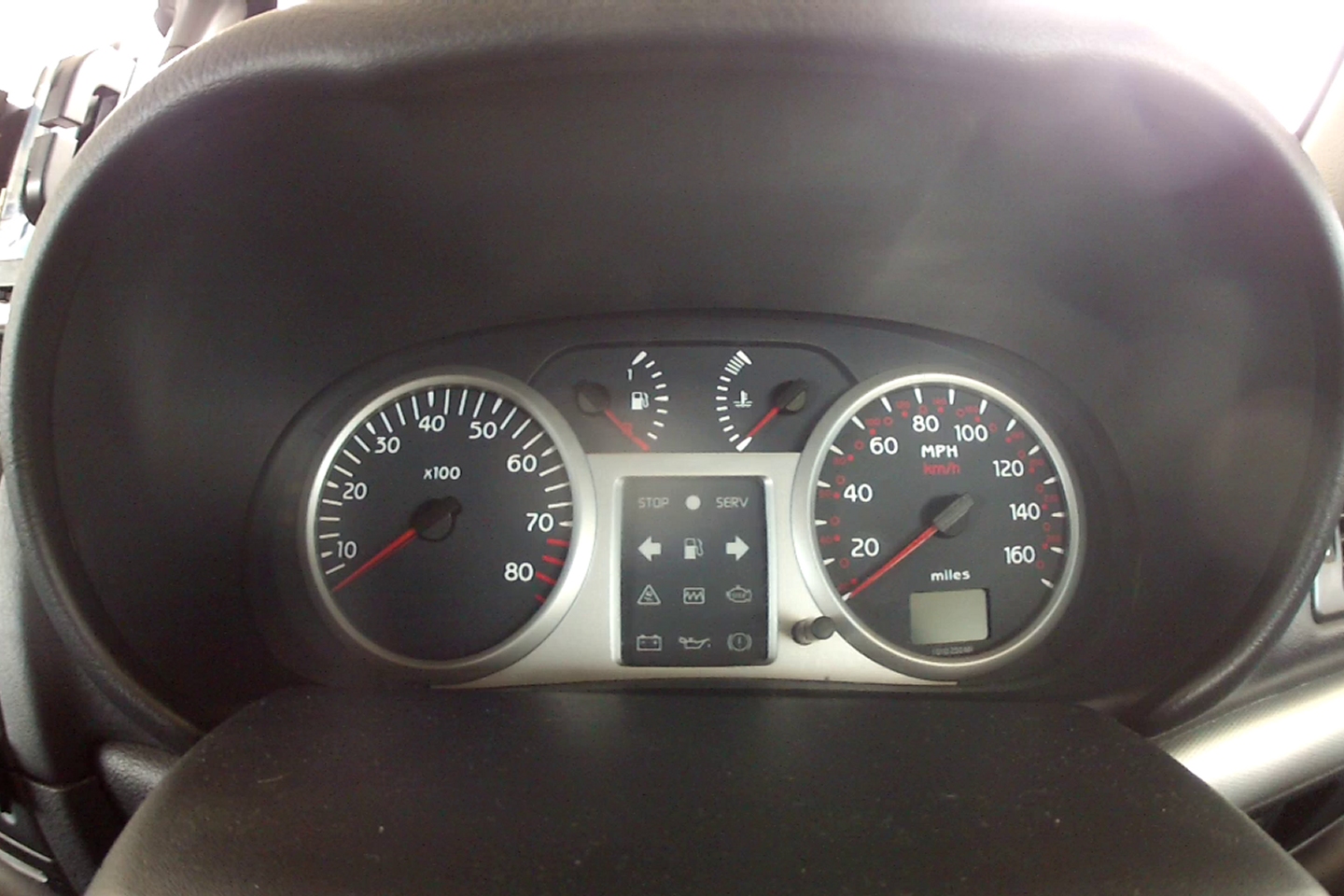
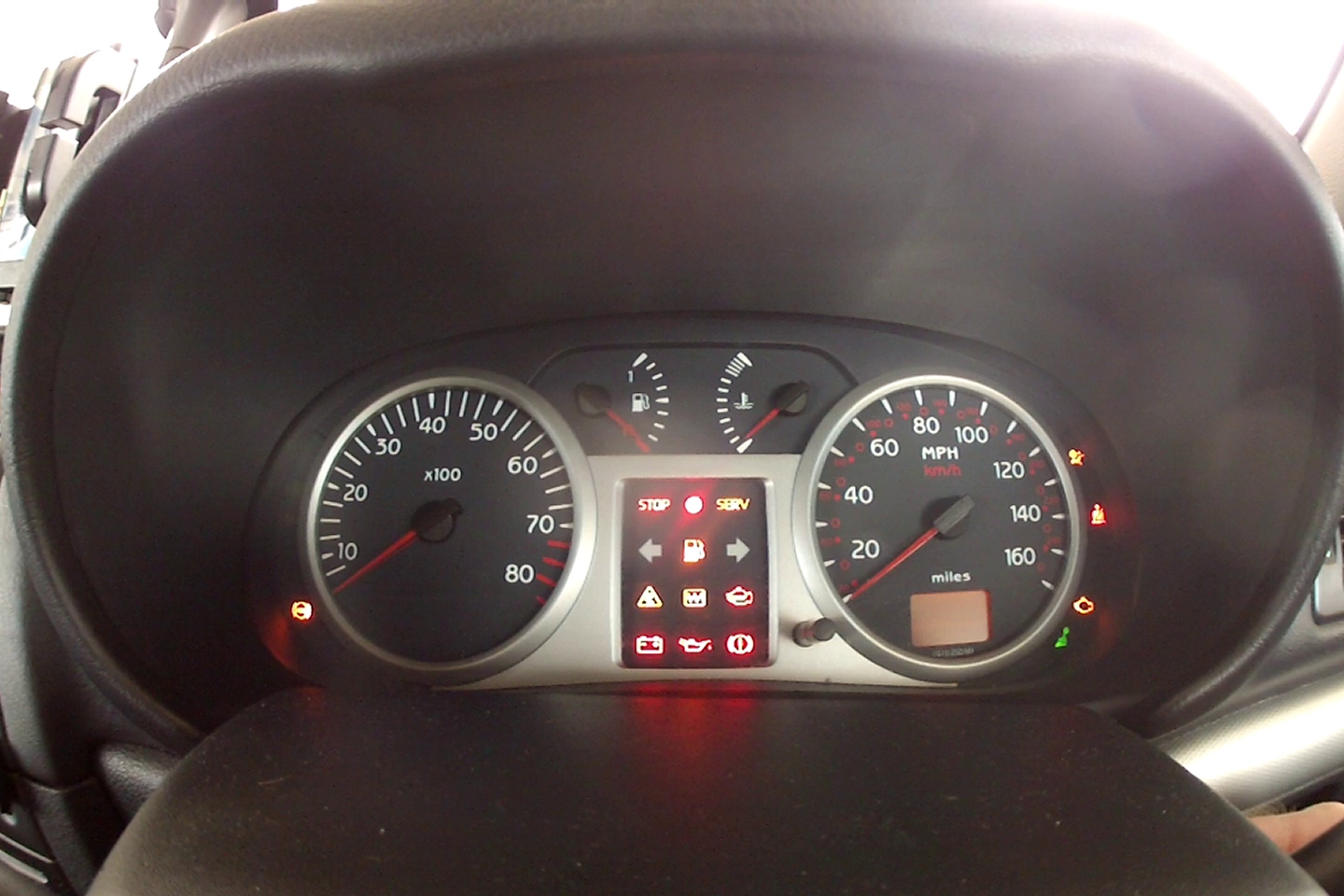
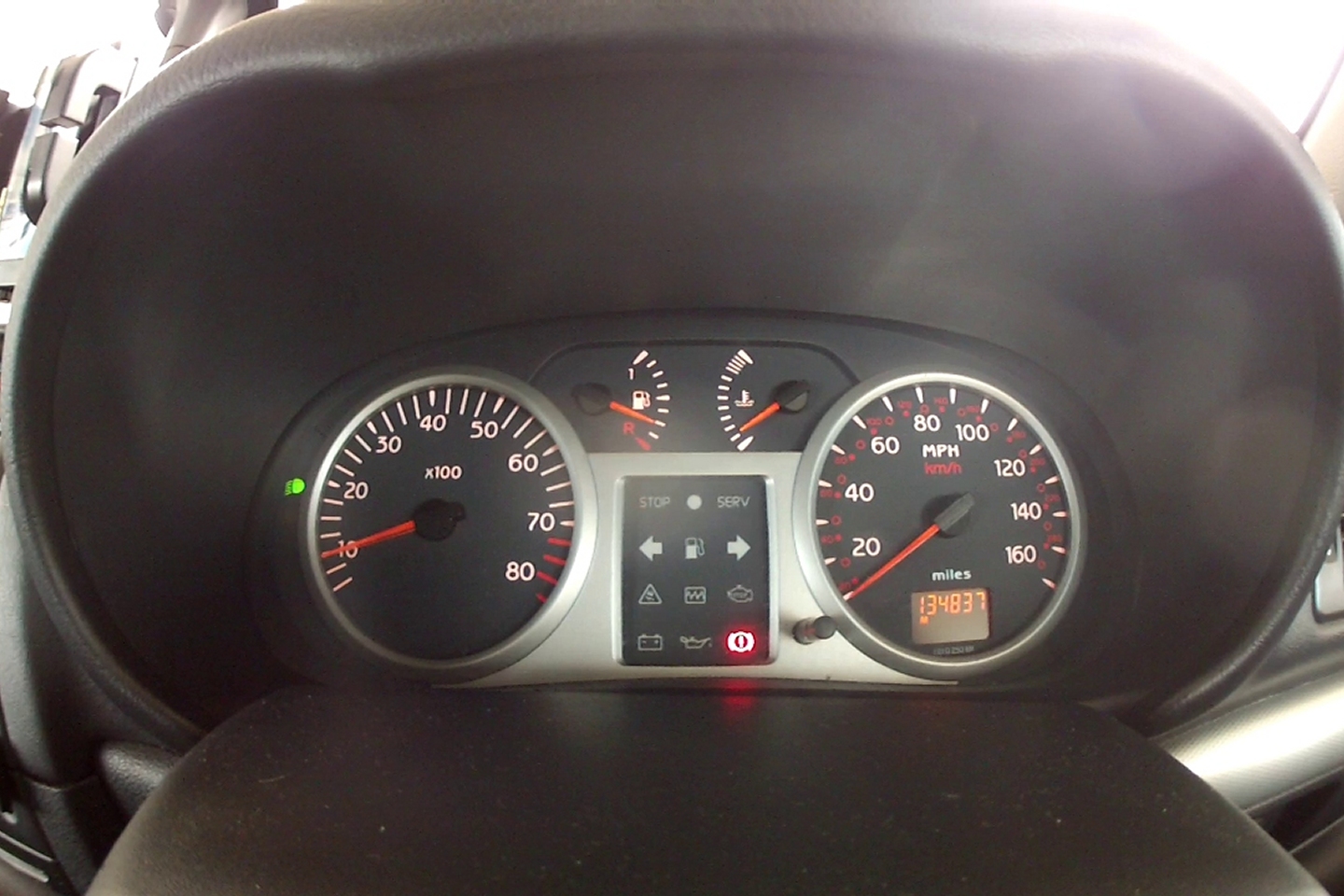
| ABS M/L | Rear ABS Sensor problem, come and goes, either cracked ring and melted sensor!, clears on restart | **** |
| Cabin Blower | Over age the blowers plastic cog wears, and will either lock your heater on cold or hot.Painful job to replace it. | *** |
| Fuel Injectors | Maybe I have had a bad run, but the amount of injectors I have had to replace. You end up realising there is a design fault and one injector location is subject to bad environment and open to the elements more than the rest. | ** |
| Air Bag M/L | The passenger side seat, has an issue where it puts the airbag connector at a strain, so just by moving the seat can trigger the Airbag M/L | * |
My version of the Clio is the FuLL Fat, The phrase "Full Fat" (FF) is enthusiast slang used to differentiate the standard, highly equipped road car from the stripped-out, raw "Cup" model. Officially labeled by Renault as simply the Clio Renaultsport 172, this specific model balances track-bred agility with early-2000s luxury. The comprehensive factory specifications for the Renault Clio Sport 172 Phase 2 "Full Fat" (produced between 2001 and 2004) are detailed as foillows
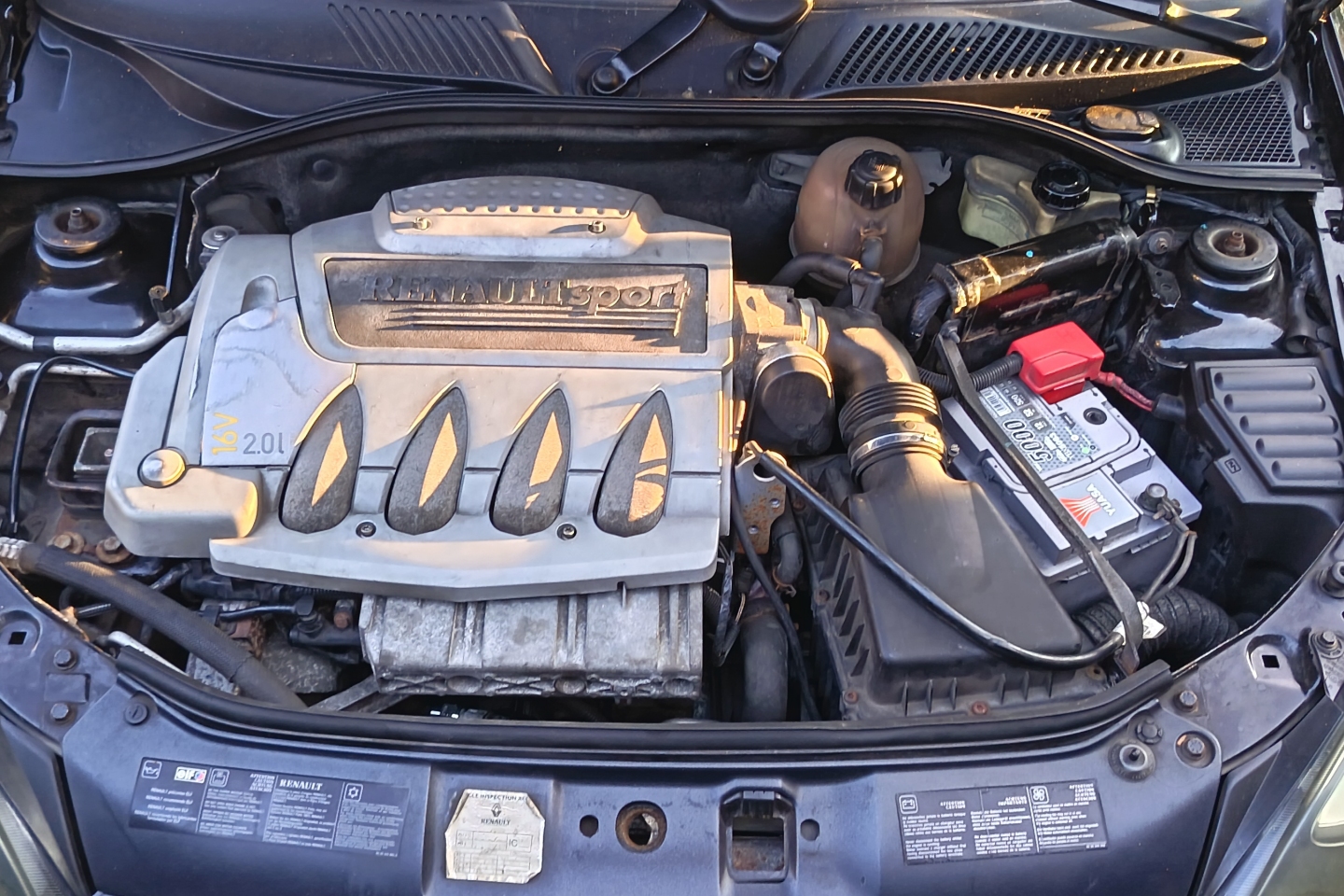
- Engine Code: F4R 736 (Naturally aspirated inline 4-cylinder).
- Valvetrain: DOHC, 16-valve with Variable Valve Timing (VVT).
- Throttle Control: Electronic drive-by-wire system (replacing the Phase 1's mechanical cable).
- Maximum Power: 172 bhp (170 hp / 124 kW) @ 6,250 RPM.
- Maximum Torque: 200 Nm (148 lb-ft) @ 5,400 RPM.
- Gearbox: JC5 5-speed manual with revised, shorter gear ratios compared to Phase 1.
Engine & Transmission
Performance & Weight
- 0–62 mph (0–100 km/h): 7.2 seconds.
- Top Speed: 137 mph (220 km/h).
- Kerb Weight: 1,035 kg (The "Full Fat" is roughly 24 kg heavier than the Cup variant due to extra sound deadening, larger wheels, and heavy luxury electronics).
- Power-to-Weight Ratio: 166 bhp per tonne.
Dimensions & Chassis
- Length / Width / Height: 3,812 mm / 1,639 mm / 1,417 mm.
- Wheelbase: 2,472 mm.
- Front Track Width: 1,418 mm (7mm wider than a standard commuter Clio II to accommodate the performance suspension geometry).
- Brakes: 280 mm vented discs (front) and 238 mm solid discs (rear), equipped with ABS.
- Wheels & Tyres: 16-inch "Sport" 5-spoke alloy wheels wrapped in 195/45 R16 tyres
"Full Fat" Factory Comfort & Equipment
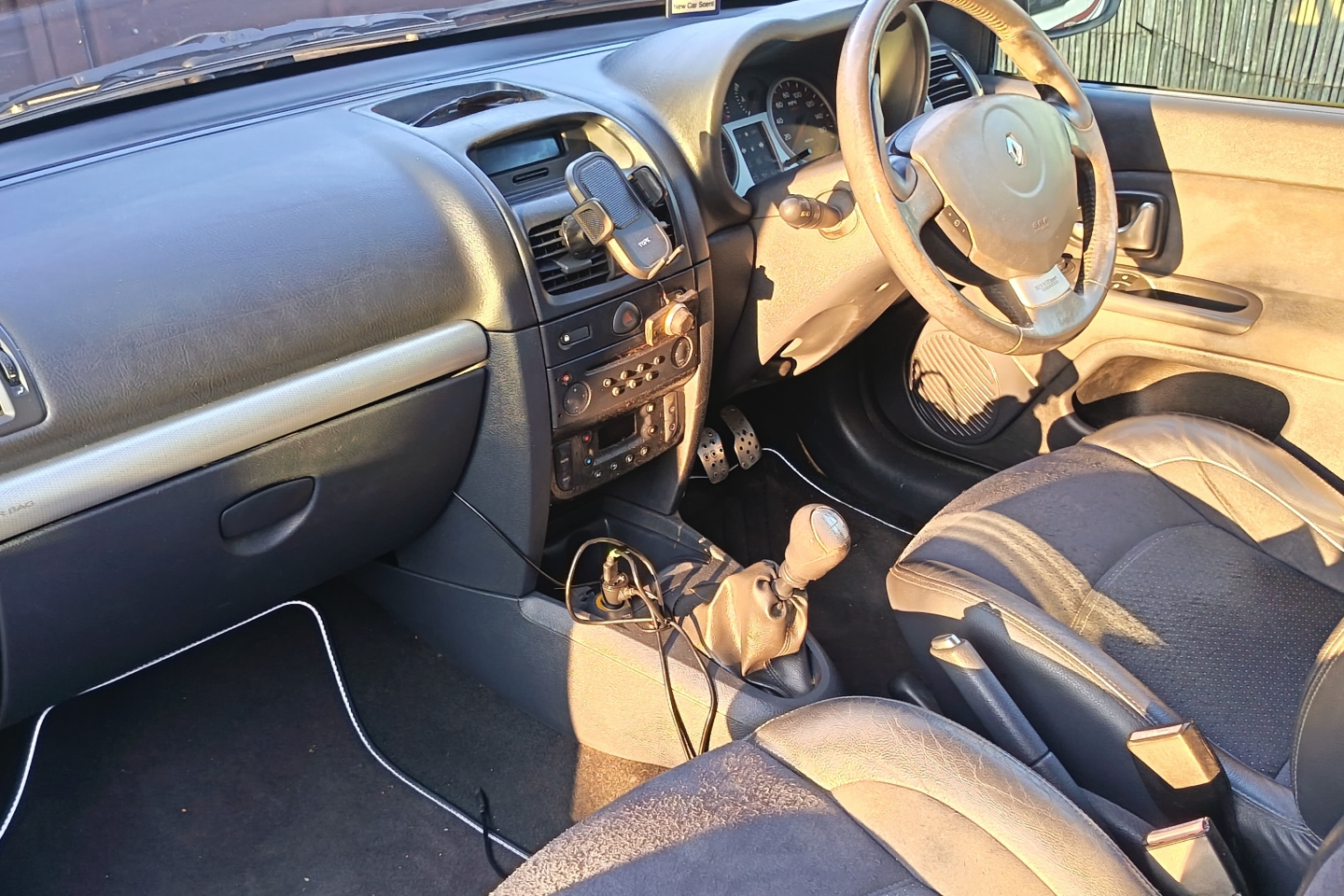
- Seating: Deeply bolstered sports seats upholstered in a mix of Half-Leather and Alcantara.
- Lighting: Automatic Xenon headlights with integrated high-pressure headlight washers.
- Climate: Electronic digital climate control/air conditioning.
- Driver Aids: Electronic Stability Programme (ESP) and Traction Control (introduced network-wide on models built from late 2002 onwards).
- Late Production Updates: Cars manufactured from 2003 onwards also received standard cruise control and steering wheel-mounted speed limiter buttons.
Unlike the sparse Cup model, the Phase 2 Full Fat included premium creature comforts as standard equipment: