A Winter Pilgrimage to the Abandoned Town of Doel
Chasing Ghosts
Doel
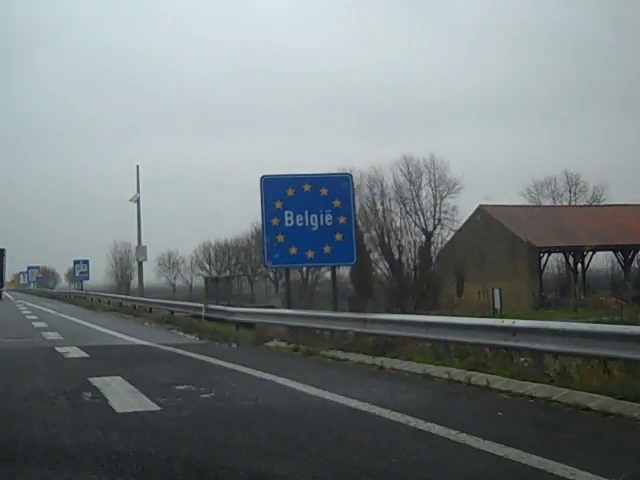 On 19 February 2018, the Renault Clio Sport left home early in the morning, leaving Southampton behind and pointing its nose east toward Kent. The destination was not a scenic mountain pass or a racing circuit, but a ghost town frozen in time. The gateway to the continent was the Eurotunnel, offering a seamless, rapid transit beneath the English Channel. Emerging into the crisp, biting winter air of Calais, the Clio immediately joined the Belgian-bound autoroutes. The car transitioned from France into Belgium, pushing through the flat Flemish landscape toward the industrial docks of Antwerp, where the eerie silhouette of Doel awaited.
The Rise and Fall of Doel
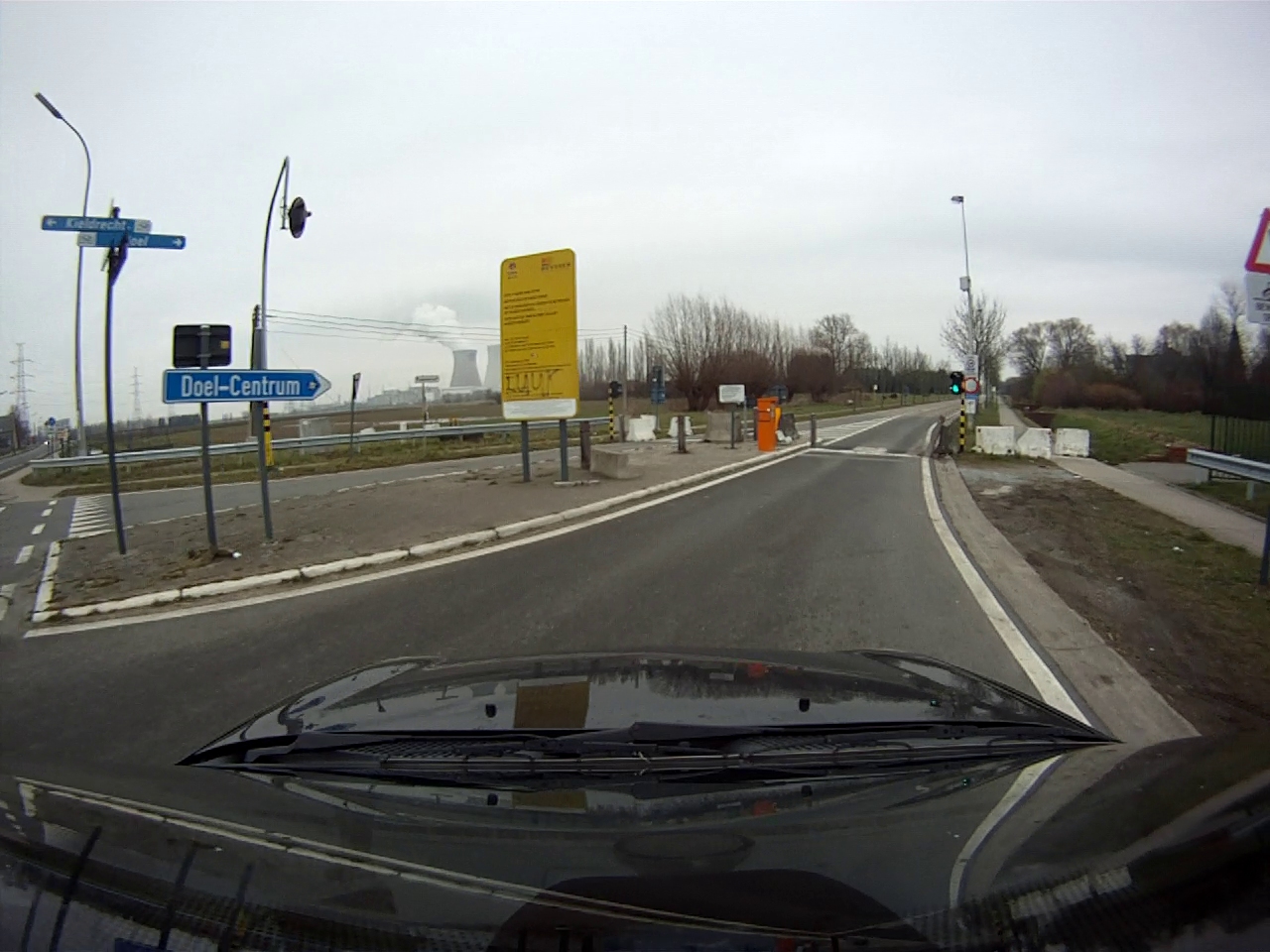 To drive through Doel is to drive through a modern tragedy of industrial expansion. With a history stretching back over 700 years, Doel was once a vibrant, historic polder village nestled on the banks of the River Scheldt. For centuries, its tight-knit community lived alongside a iconic 17th-century windmill—one of the oldest in the region.
However, its downfall began in the late 1960s. The rapidly expanding Port of Antwerp targeted the village for demolition to build new docks and container terminals. For decades, the resilient residents fought a bitter legal and social battle to save their homes. Despite their fierce resistance, the pressure from the port—coupled with the construction of the adjacent Doel Nuclear Power Station—forced a mass exodus. By the early 2000s, the school closed, businesses shut down, and the government systematically bought up the properties. By the time the Clio Sport arrived in 2018, only a handful of stubborn residents remained, leaving behind a haunting, desolate grid of empty houses covered in vibrant street art.
Exploring the Quiet Streets
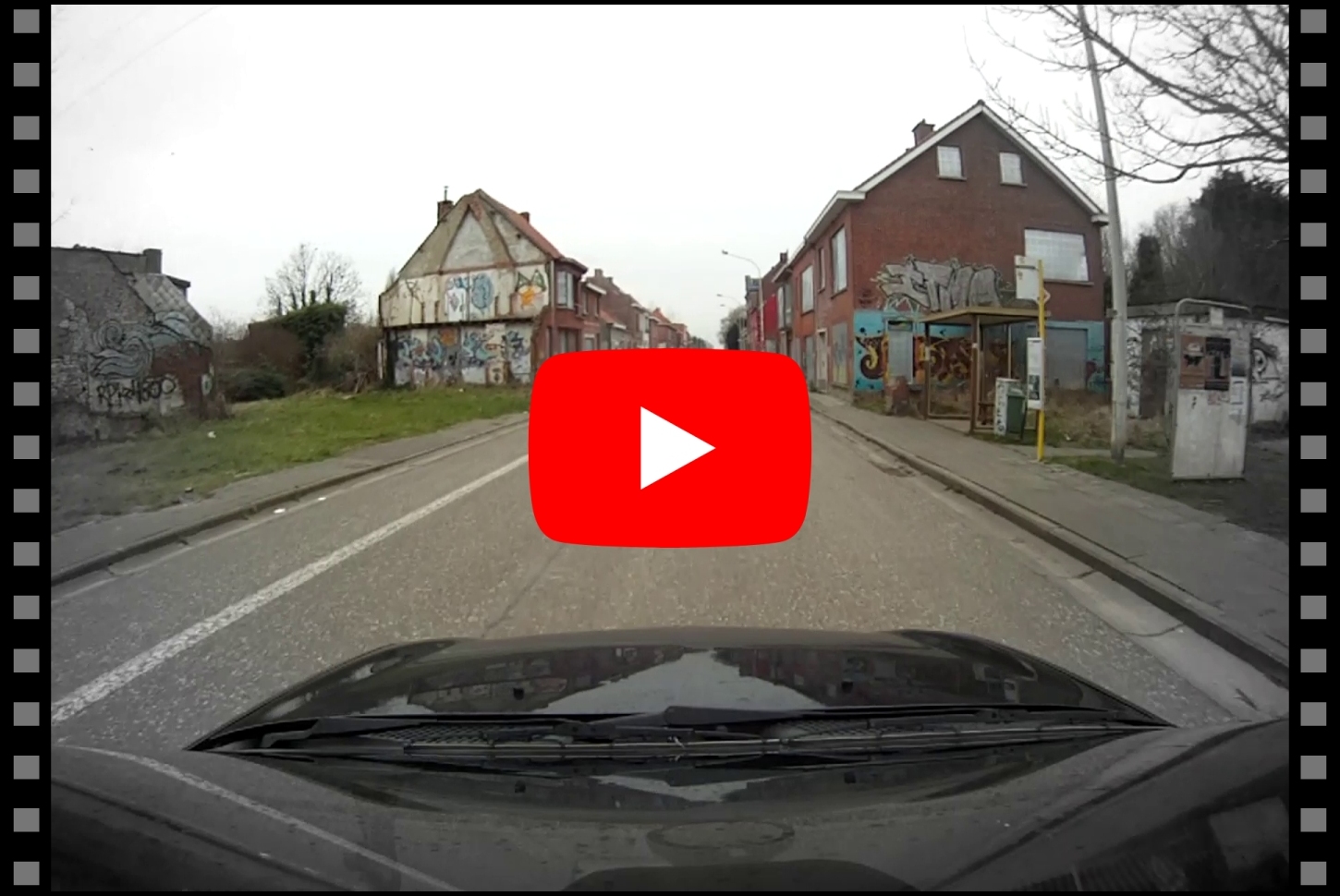
Finding the actual village required navigating a surreal landscape of looming industrial cooling towers and vast, flat docklands. Once past the threshold into Doel, the atmosphere shifted instantly into a heavy, eerie silence.The Clio's stiff sports suspension bounced over the quiet, weathered streets as I began exploring and recording video of the desolate town.
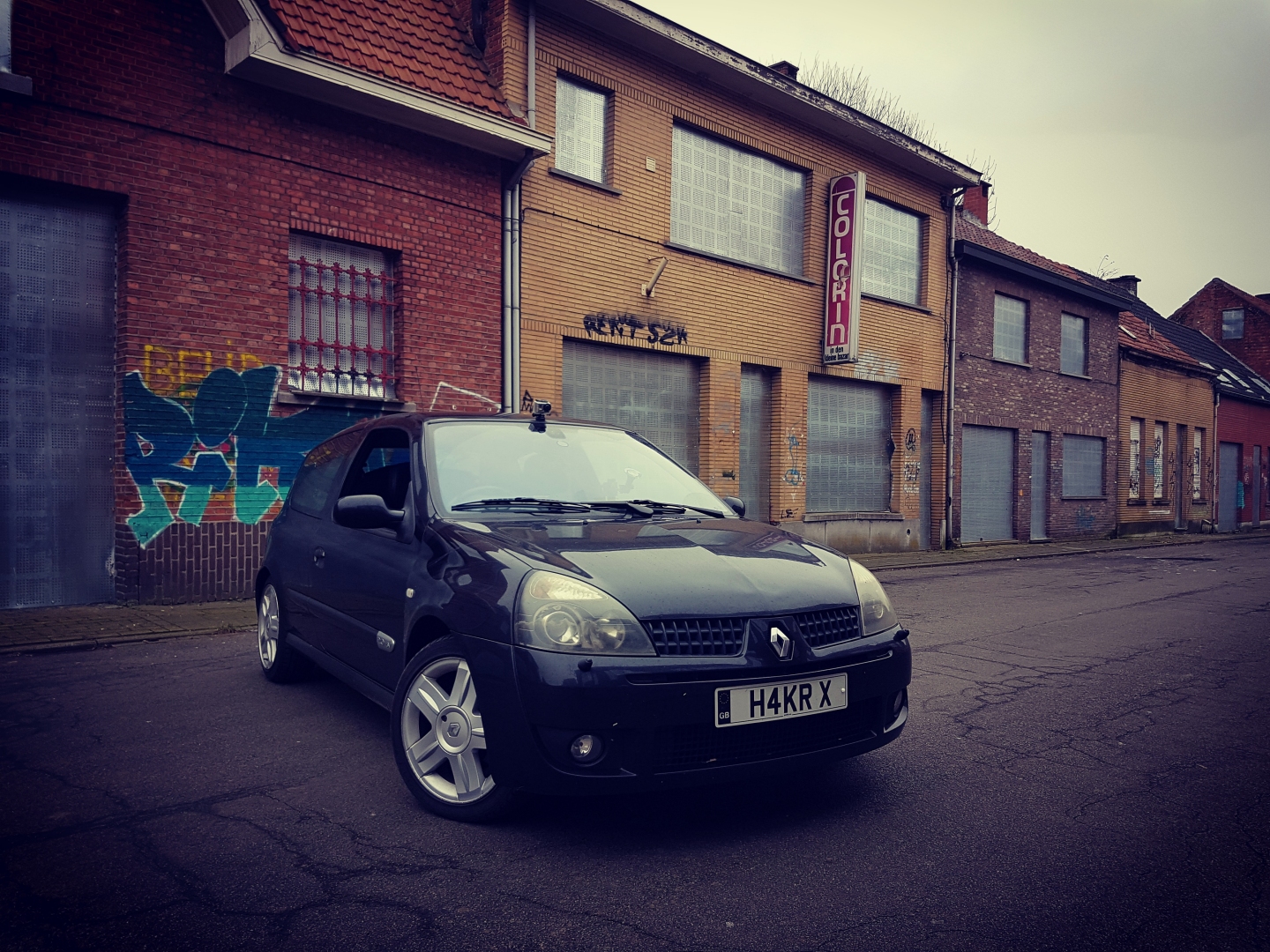 Behind the camera lens, the contrast was stark: a high-performance hot hatch idling past brick houses with boarded-up windows, overgrown gardens, and entirely empty intersections. Every wall had become a canvas, covered in incredible, towering graffiti that injected vivid colour into the gray February gloom. Videoing the streets felt like documenting a post-apocalyptic movie set, where the hum of the 2.0-litre engine was the only sign of life against the constant, distant hum of the nearby nuclear plant.
The Return Journey: Strange Roads and Closed Parks
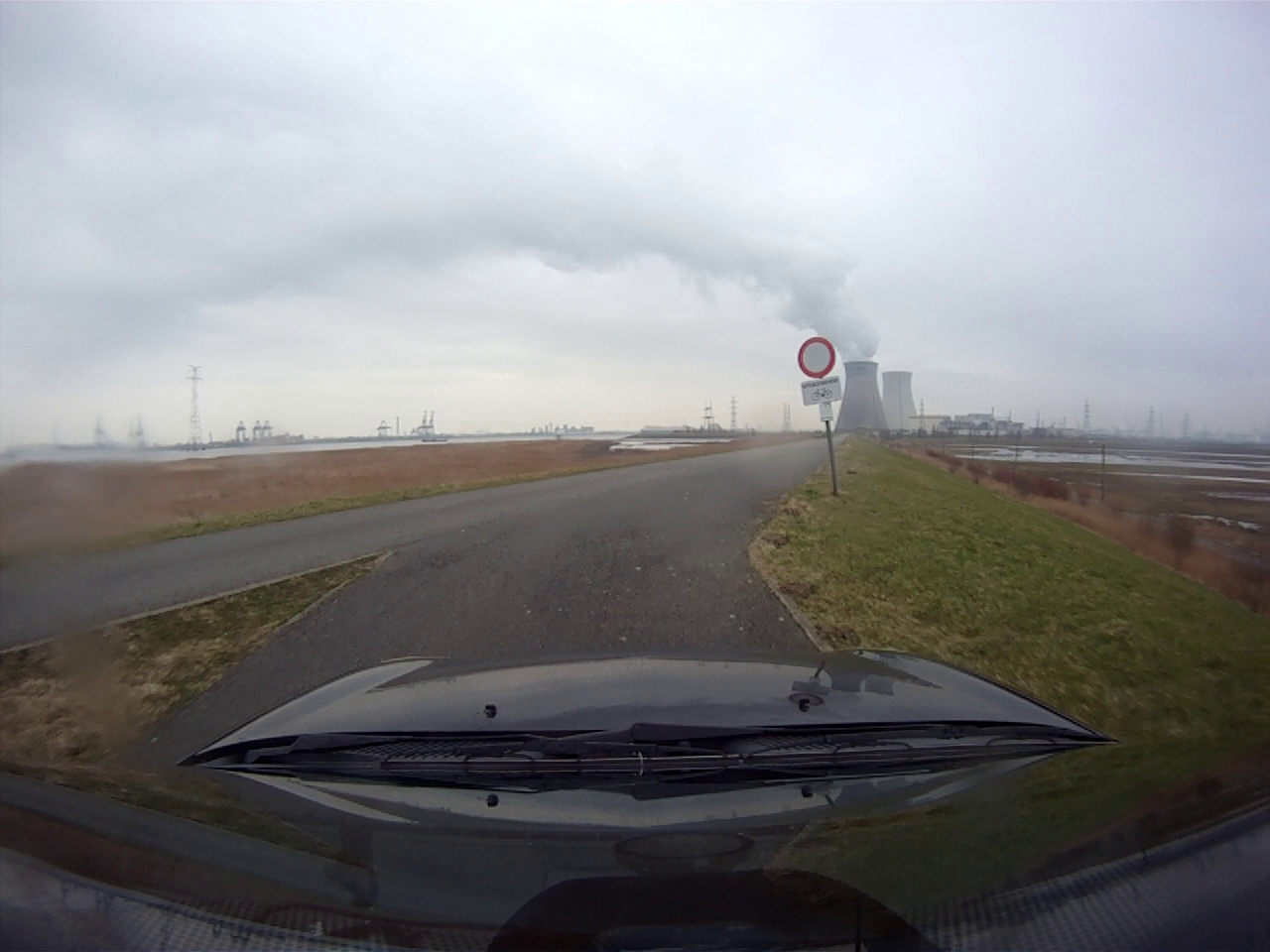 Leaving the ghost town behind, the route home rejected the mundane main highways. Instead, I guided the Clio onto a network of strange, winding roads that tracked directly along the water's edge, tracing the industrial contours of the River Scheldt back toward the French border. These desolate coastal lanes allowed the car's communicative steering to shine, providing an engaging antidote to the heavy atmosphere of the village.On the way back toward the coast, a whimsical detour led to Plopsaland De Panne (Plopsa World). However, the winter timing meant the vibrant theme park sat entirely closed and quiet under the February sky—a fittingly silent bookend to a day spent exploring abandoned places. With the detour complete, the Clio covered the final stretch back to Calais, boarding the Eurotunnel for a smooth return trip home, capping off an unforgettable, deeply atmospheric winter pilgrimage.